Phonics Overview

Phonics Protocol at St.Mary’s R.C. Primary School
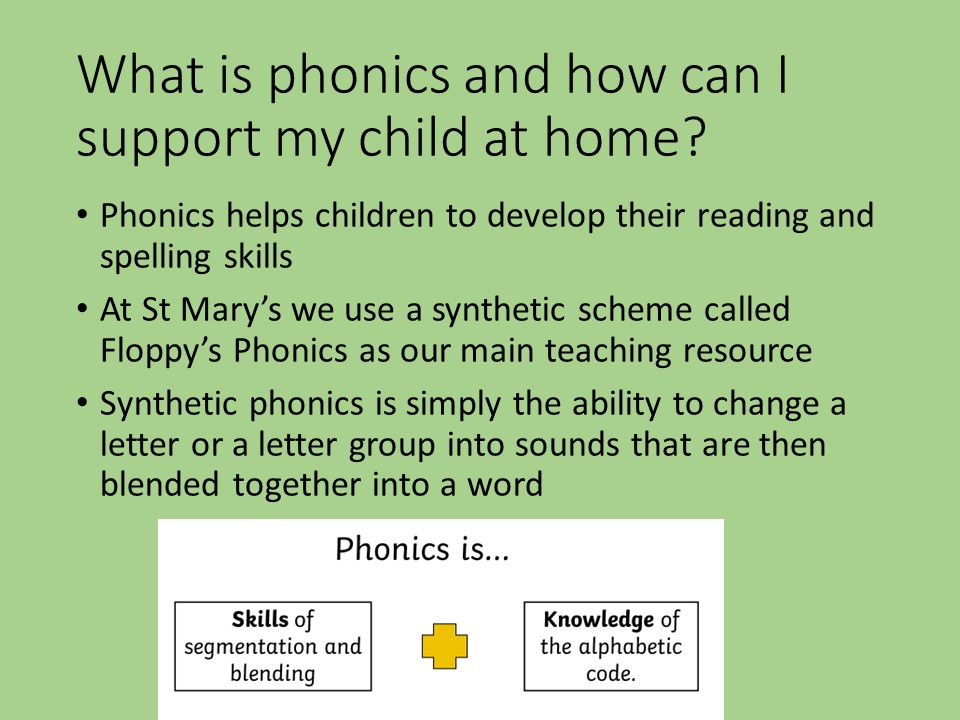
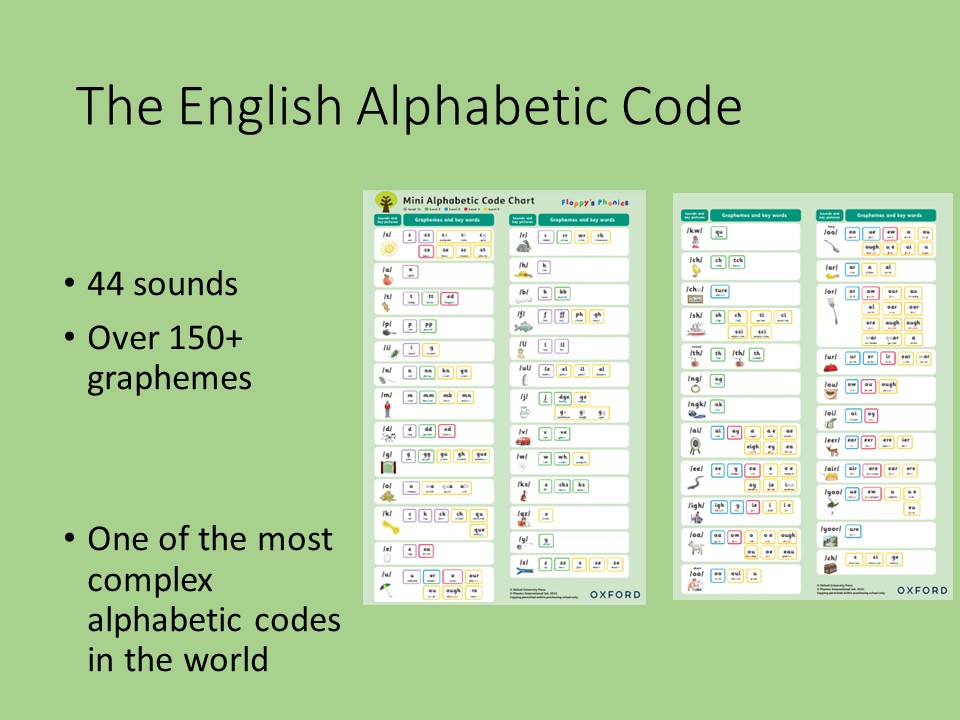
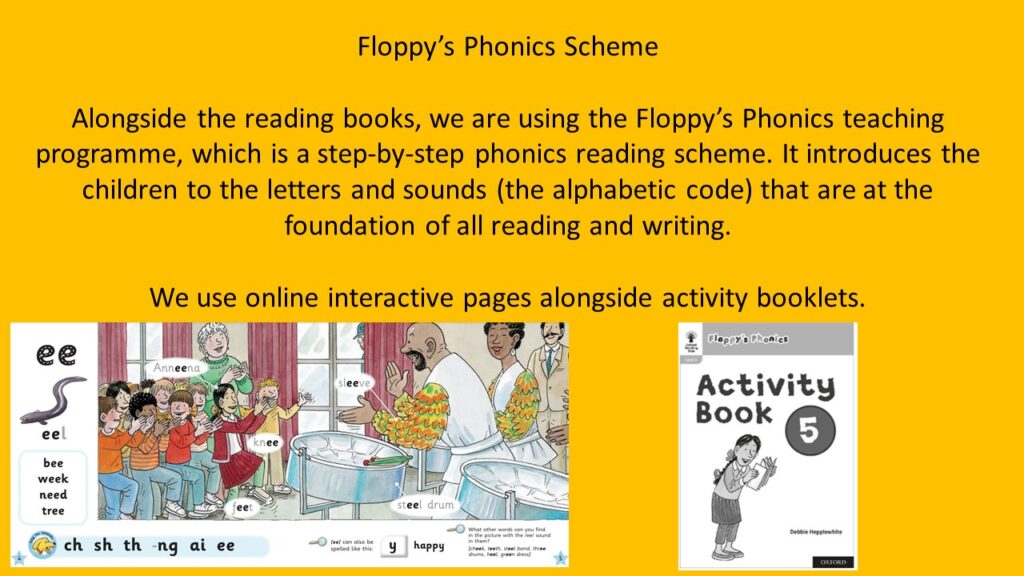
At St Mary’s RC Primary School, we follow Floppy’s Phonics, a systematic synthetic phonics teaching programme for early reading and writing. The rationale behind this scheme being chosen is for the following reasons: a systematic approved scheme; easy to access staff training (enabling any new staff to be quickly trained); feedback from local cluster schools (after visiting and observing the scheme being taught) and close links to our already established reading scheme with characters familiar to the children.
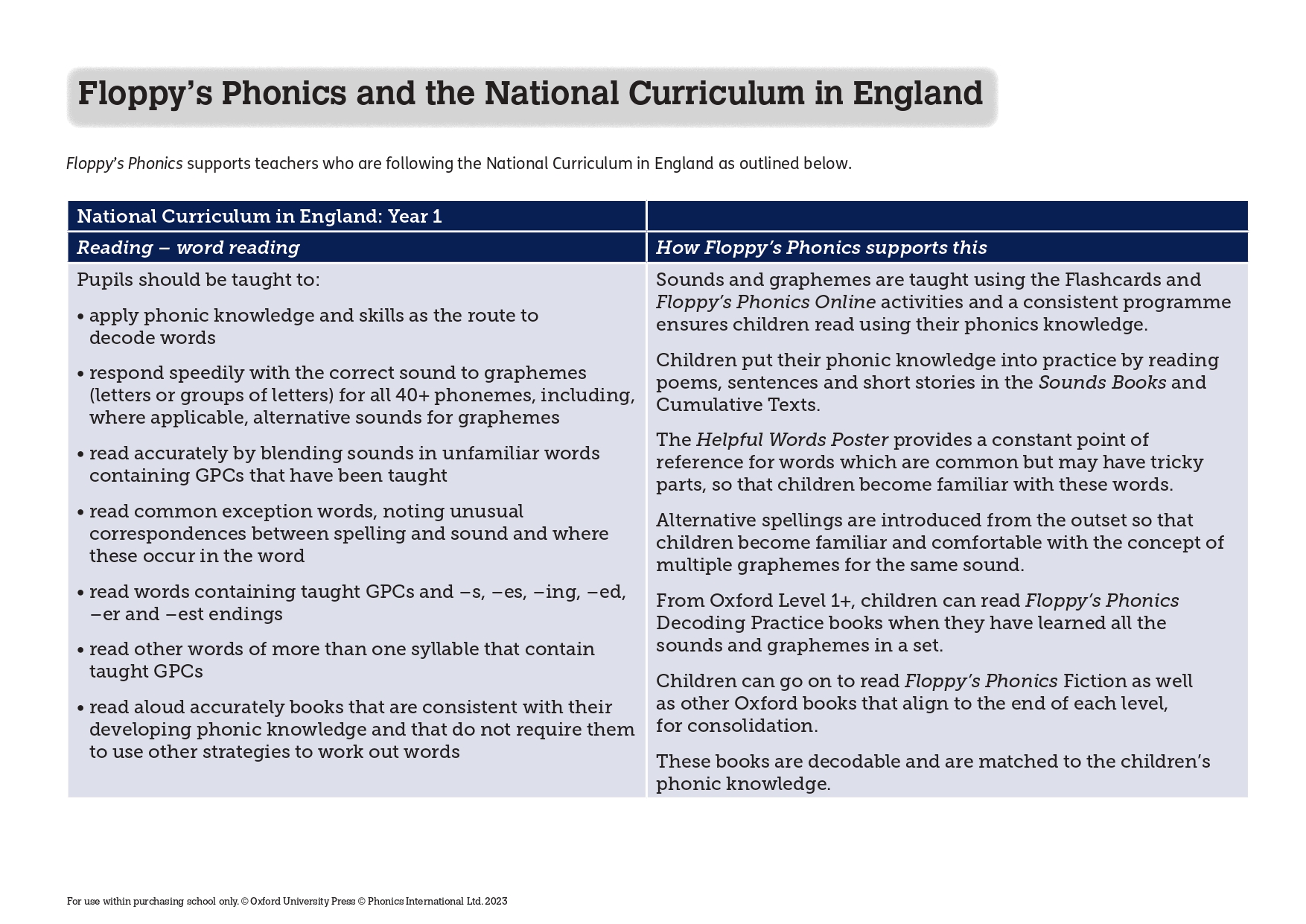
The document below outlines how Floppy Phonics links and supports the National Curriculum.
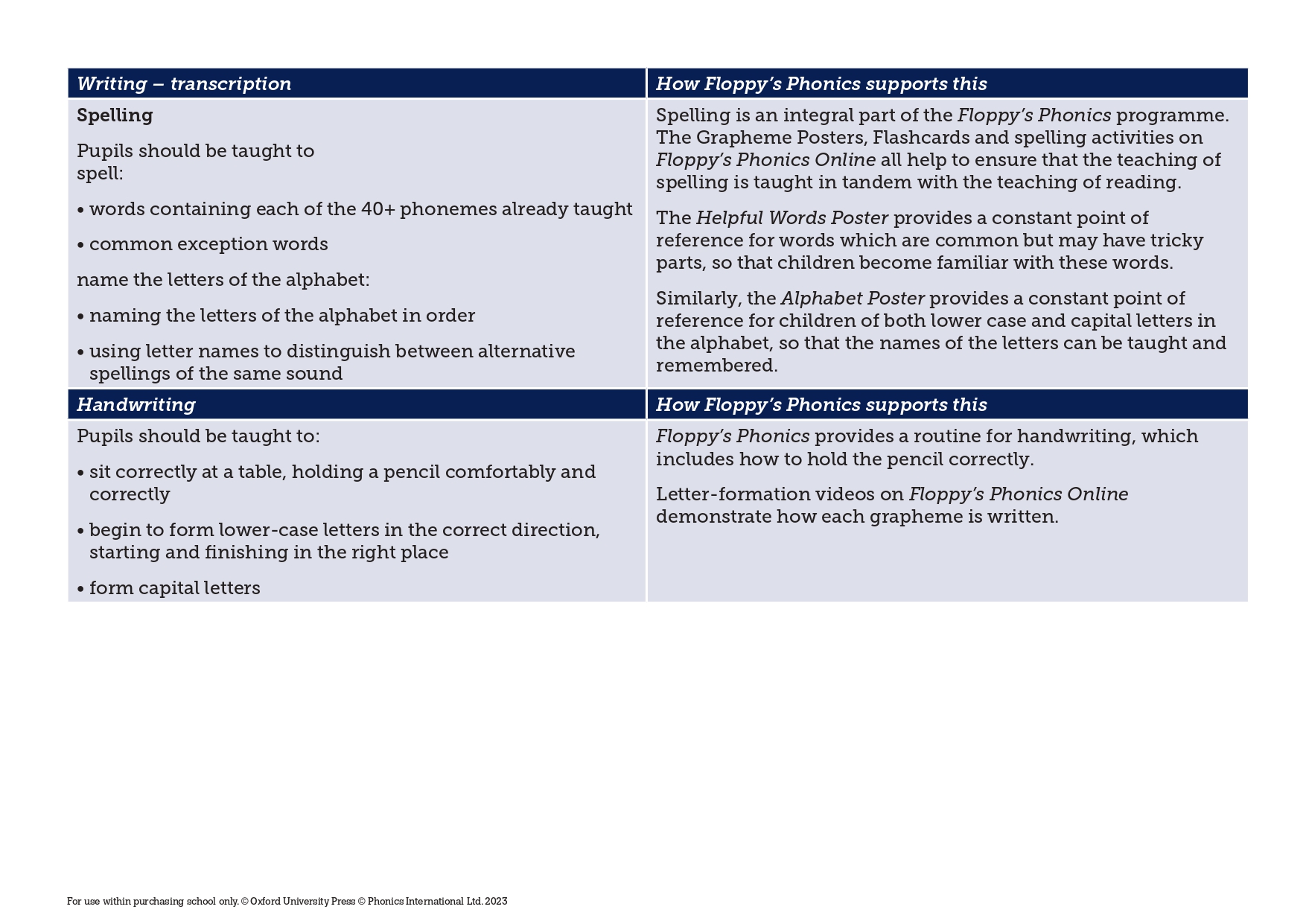
Phonics Protocol (reviewed December 2024)
All Phonics Lessons will take place 9.00 -9.30 daily, however on Fridays (due to Celebration Assembly) it takes place at 9.45.
In September each child in Year 1/2 is assessed on their phonic knowledge within the first two weeks. Foundation Stage do a baseline assessment to see which sounds they know, if any. Y1 check the previous sounds from Levels 1 to 3 (taught in EYFS). Y2 assess any children who haven’t passed their Phonics Screening Check in Year 1 and any who have been identified as needing to consolidate and embed knowledge, as discussed at transition meeting between the Year 1 and Year 2 teachers. Additionally, all Year 2 retake the Phonics Screening test to check for any children who may need to be additionally focussed on.
We use a rigorous assessment process where children are taken 1:1 to read the sounds and then this data is then collated onto an assessment form which informs the teacher on whole class needs and sounds to focus on in class. This is a working document that teacher use ongoing and add to at intervals throughout the year: November, March and June.
This will be recorded on the class tracker (on Teacher Drive) which then provides a summary of progress for each child.
Link bellow to Floppy Phonics teaching progression overview document
As a school, our results are always above National Average and we pride ourselves on our bespoke, rigorous process of assessment and strong teacher knowledge of the programme. This year, due to a higher percentage of SEN children who didn’t pass the Phonic Screening Check, we have made some adaptations and now streamline the children across Year 1 and Year 2. These grouping are fluid and are changed as and when needed, based on formative assessment from the teacher and regular discussion between the teachers and the English Lead.
The following data evidences our history of good Phonics results:
Phonics Screening Check at Year 1 and Year 2
30 pupils in the class
| St Mary’s RC | Bolton | National | ||||
| 2022 | 2023 | 2024 | 2025 | 2025 | 2025 | |
| Year 1 | 81% | 87% | 66% | 90% | 79% | 80% |
| Year 2 (EOKS1) | 93% | 87% | 96% | 76% | 86% | tbc |
The following document is an example of an assessment sheet to check the sounds children know:
From this, teachers then collate the results onto a tracking sheet (as seen below) which allows them to analyse whole class knowledge and identify sounds that may need to be revisited and kept within daily teaching:

We also have a summary of progress of sounds learnt across the year (as seen below). This helps to track the children across the year and put interventions into place where needed:

An additional process we carry out is a document to support teachers in making provisions for children who are a focus and in danger of falling behind in Phonics (as seen below):

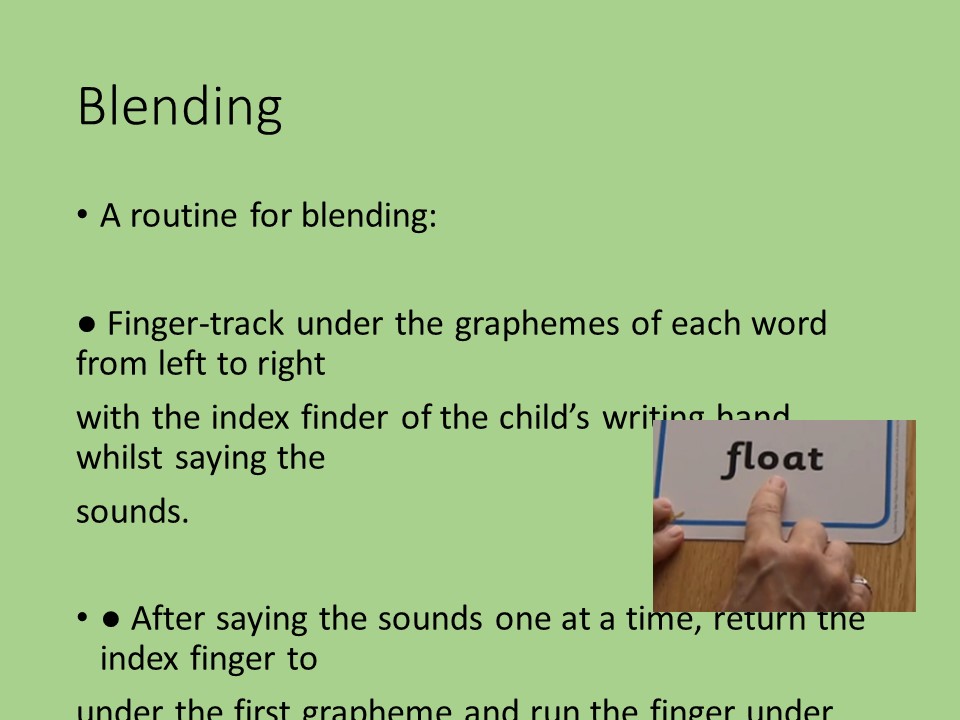
All classes follow the Floppy Phonics lesson structure (as can be seen on the image below). Any gaps in knowledge, taken from assessments, will be focussed in the Revisit part of the lesson.
Below is the Teaching and Learning Sequence for Floppy Phonics:

EYFS have an additional assessment in the front of all children’s Phonics books to monitor their pencil grip. The children are given a page adapted from the Floppy Phonics book and access a new sound per day.
Year 1 follow the cycle of Session 1 and Session 2 which is taught on consecutive days, meaning they access a new grapheme every two days. The group that work with the Teaching Assistant start the lesson with the whole class so that they access the current grapheme being taught and then revisit sounds previously taught, which need consolidating, in a smaller group.
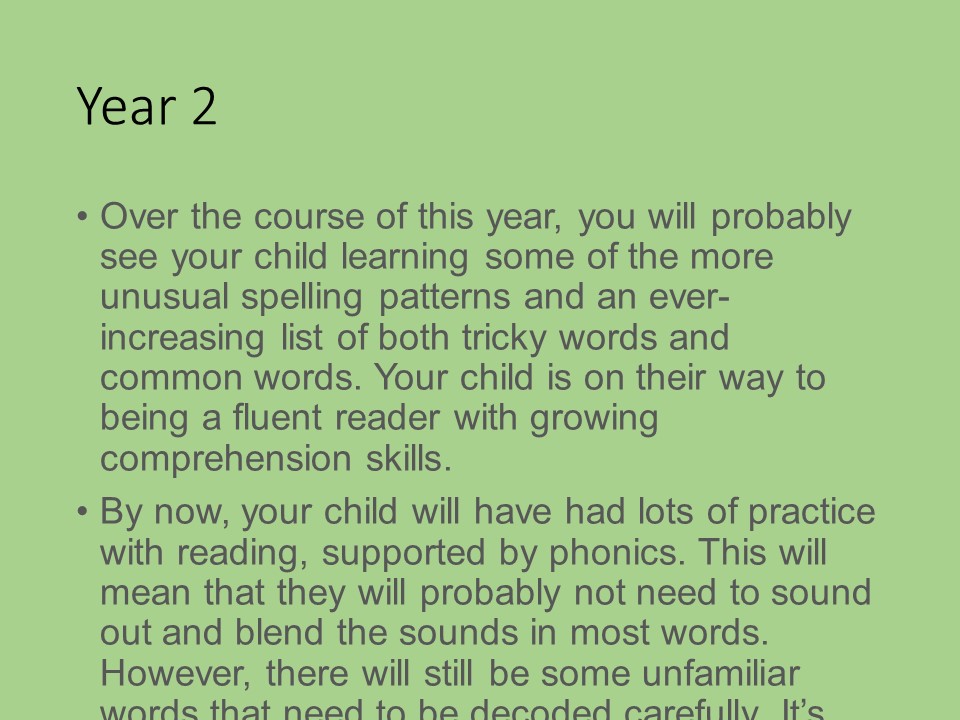
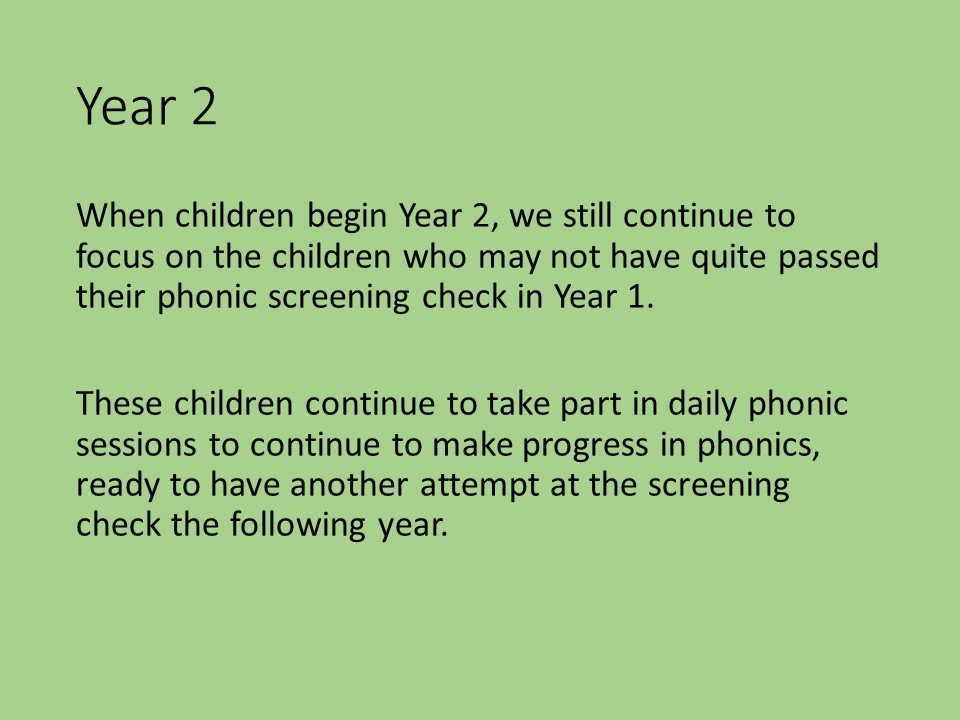
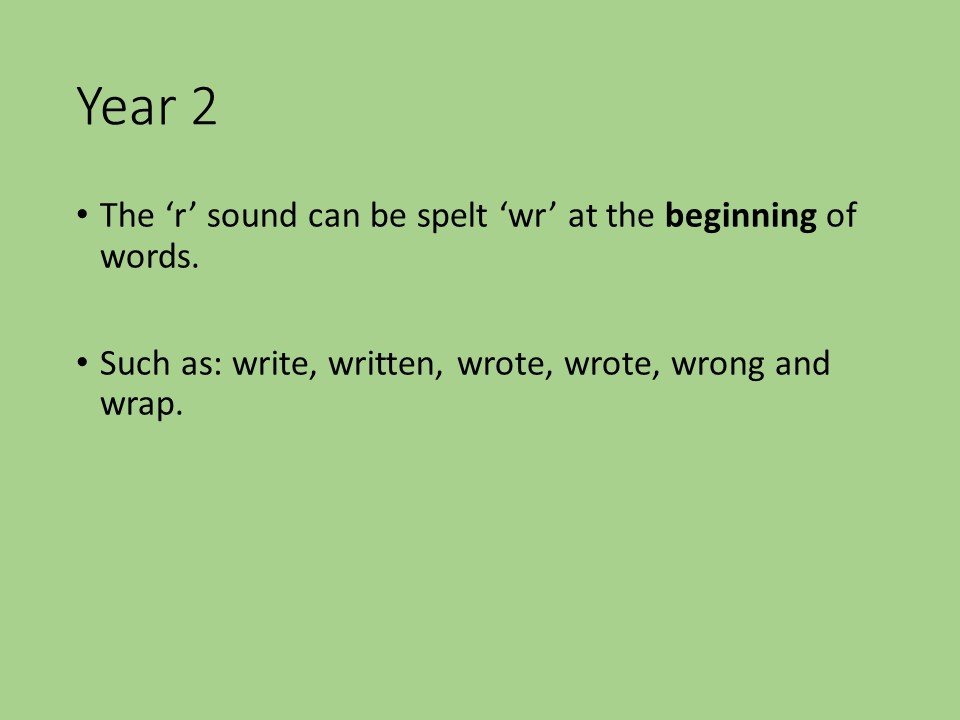
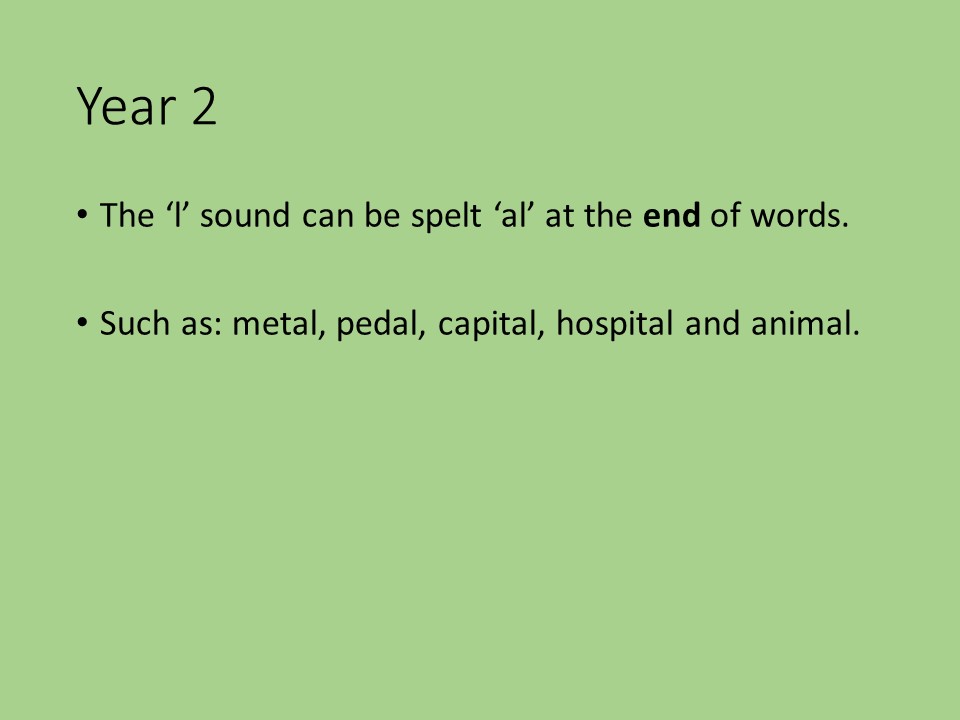
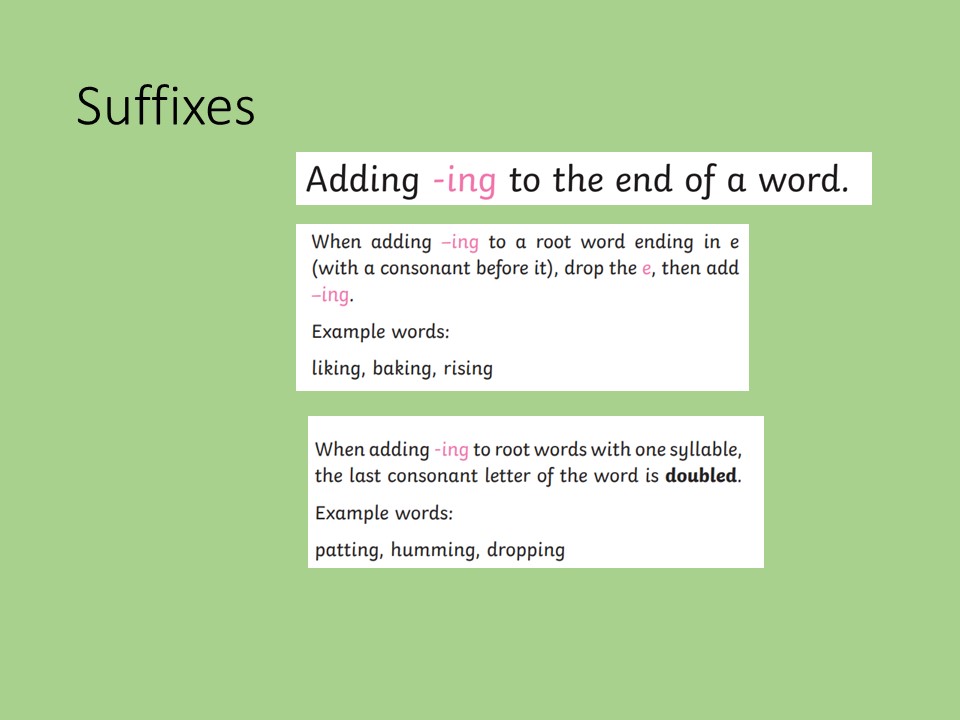
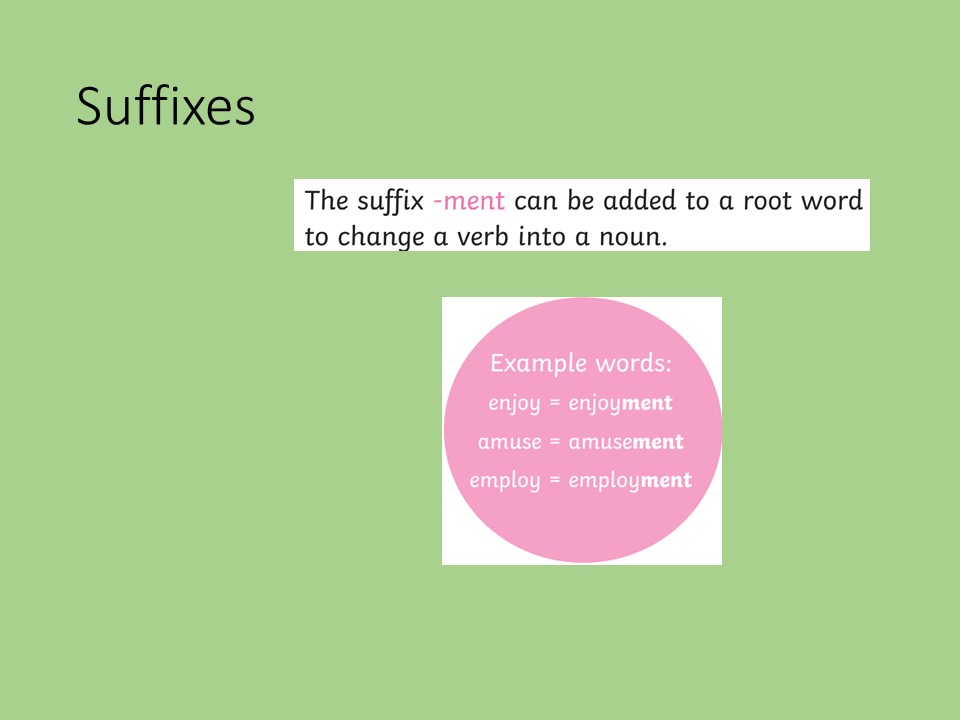
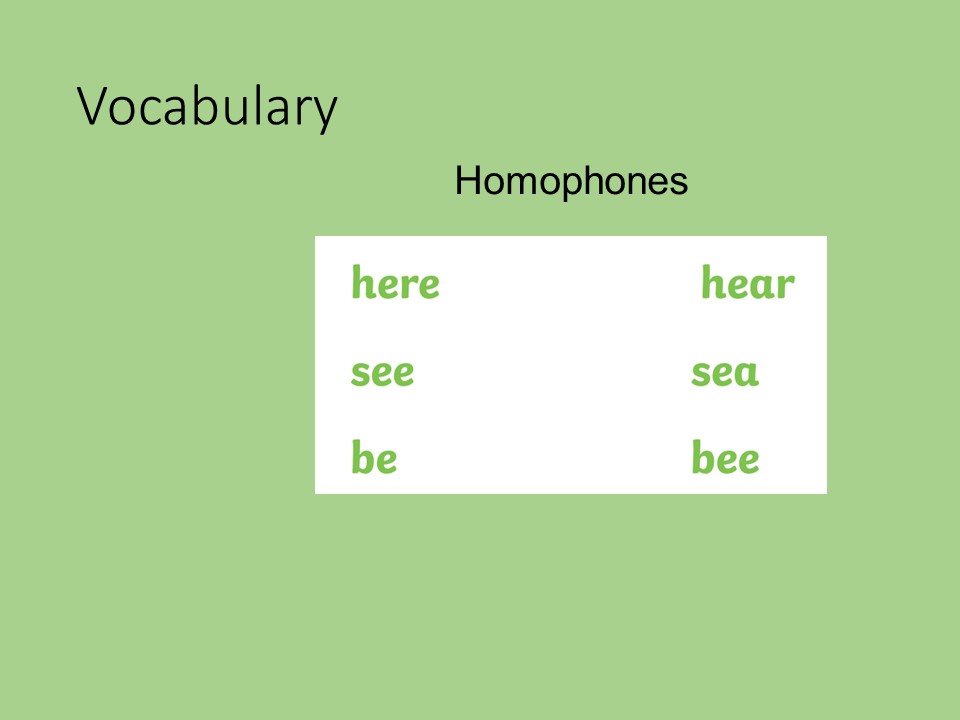
Year 2 follow the National Curriculum Spelling patterns for Year 2. In addition to this, the children who didn’t pass the Phonics Screening check are taught in different groups. Some children are 1:1 with adults and there is a small group who split between the two Year 1 groups. Discussion on their progress is continuous between the Year 1 and Year 2 staff. The children who attend Phonics groups access the Year 2 Spelling curriculum within other lessons with English focus.
Things to take home
- Reading book
- Reading record
- Any extra sheets as needed for individuals
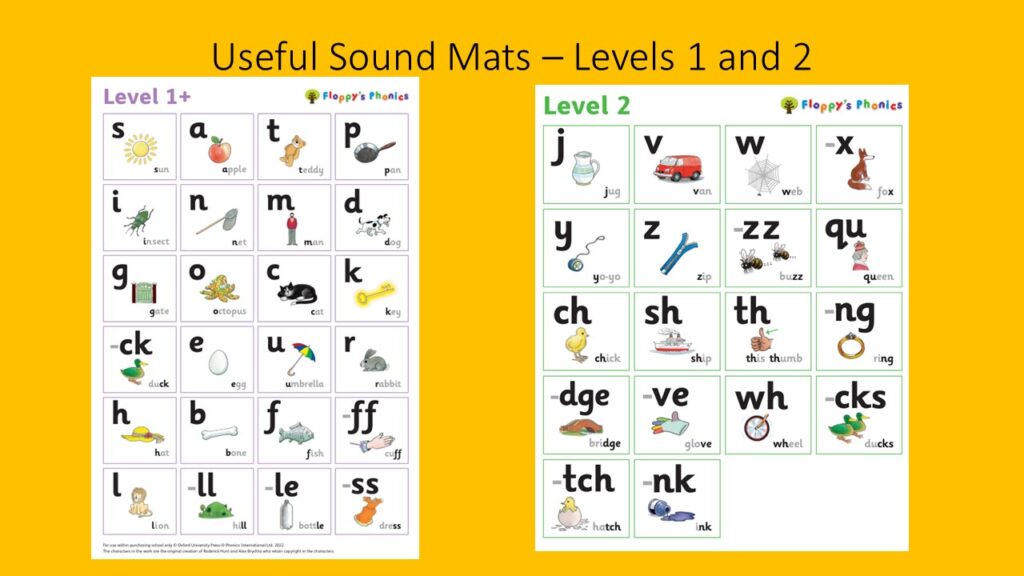
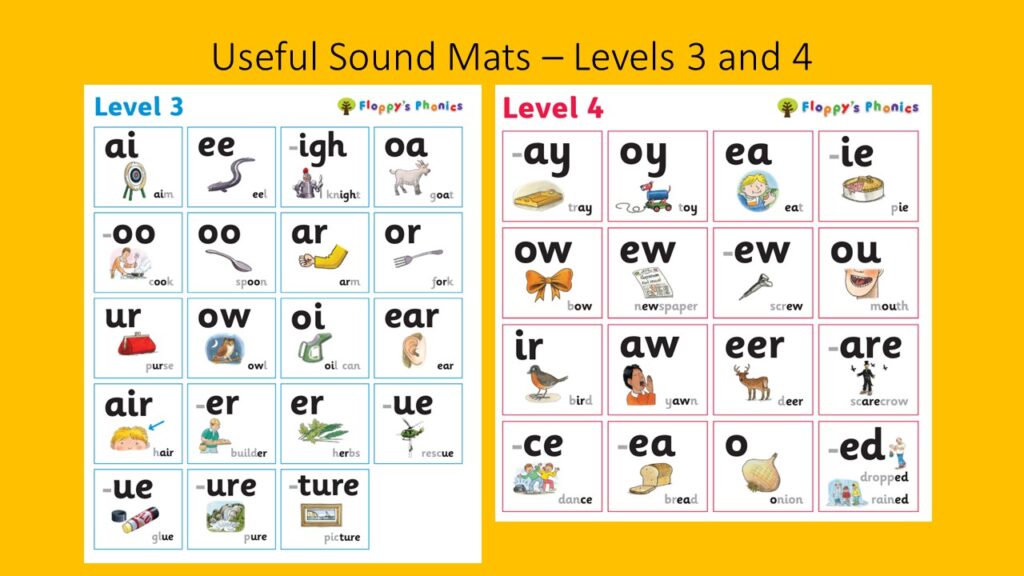
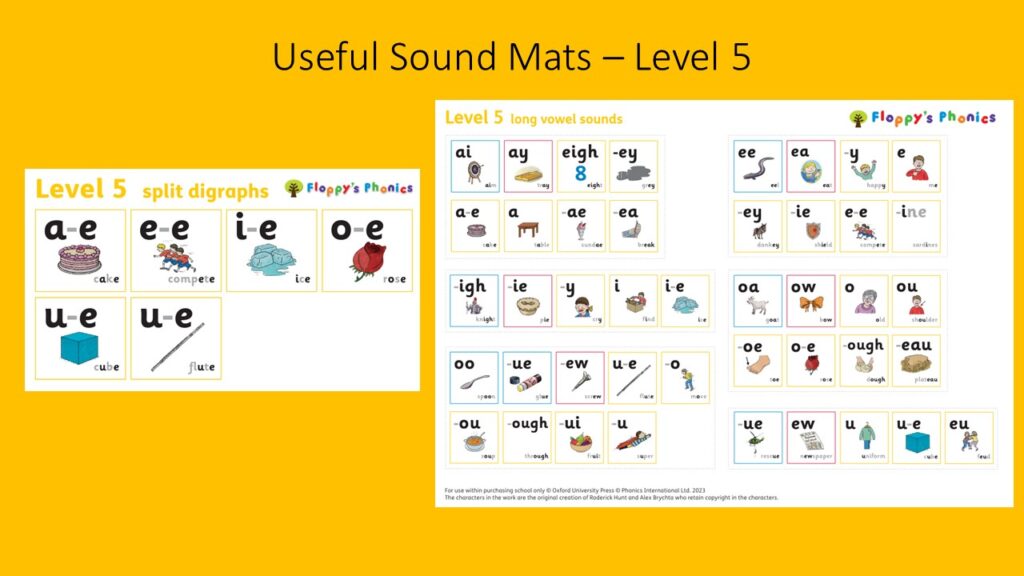
- Sound mats appropriate to the sounds learnt
Tricky words
- Learnt alongside phonics
- Use Power points to flash card through
Displays in EYFS and Year 1
- Helpful words tree
- Alphabet chart
- Appropriate sound mats
- Space to write
- Celebration of children’s work
Tables (Year 2 also)
- Sound mats
- Capital letter/lower case strip
Children in Key Stage 2, who haven’t passed their Phonic Screening check, access Phonic intervention with an adult to ensure their needs are being met. These children are assessed and progress is measured. The Floppy Phonics scheme is followed for this intervention to ensure we continue to use the scheme with fidelity.
Home Reading Scheme
We have worked extremely hard to tailor our Reading Scheme over the past two years to ensure it links fluidly with the Floppy Phonics scheme. Children in the early stages of reading (EYFS) will only be sent home with books containing sounds/codes that they have covered in class, so that they can confidently apply what they have been taught. We have focussed our budget on buying books needed for the Home Reading Scheme after the English lead auditing and speaking to staff. The rest of the school follow the book band colours, which ensures children’s reading is on track for their age related expectations and a clear progression is ensured (as seen below):
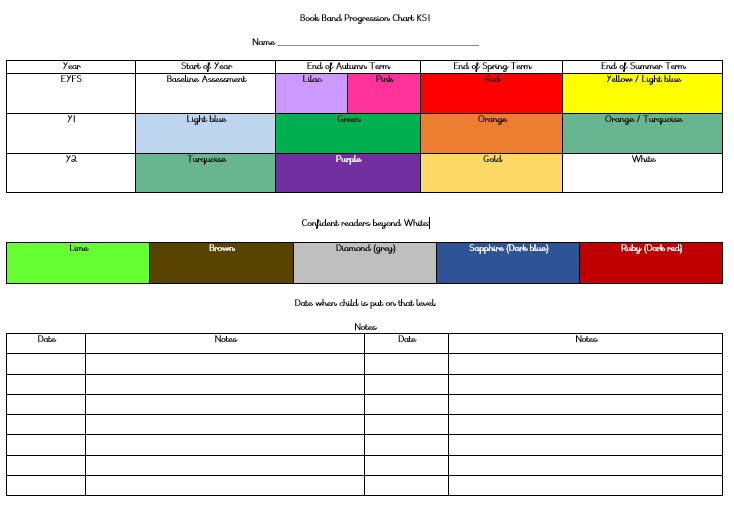
Home Reading books are changed in KS1 on a daily rota, ensuring children have their book changed once per week. An adult does this to ensure we follow the rigorous scheme and ensure progression. In Key Stage 2, children go alongside an adult to change their reading books as and when they need to. This ensures a continuation of our high focus on a ‘love of reading’ we have at St. Mary’s. All children have a tracking sheet, tailor made for our reading scheme, following the colour bands. This allows teachers to track what children have read and ensure a broad range of reading genres and authors are accessed.
EYFS have their own ‘Secret Library’ in their class reading area, specifically for reading at home before they start on the reading scheme, this develop a love of reading and engages parents in home-school reading with their child. As children begin to learn phonics we continue with these books alongside a phonetic book so that children can explore different texts and can learn new vocabulary from an early age. This also supports comprehension skills as we can talk about the stories and things they have read at home in class.
We have a ‘RAG reader’ sheet for each class which ensures the children who would benefit from reading in school with an adult are read with daily (red readers). We aim to read with amber readers 3x per week and green readers weekly. TA’s read daily with red readers and volunteers read with amber and green readers. All TA’s have been trained and are fully aware of our Home Reading Scheme, after amendments have been made, and are confident in changing reading books for and with children. If a child needs to be moved onto another book band, TA’s consult with teachers and then teachers assess where children need to be placed. Teachers listen to children read 1:1 on a termly basis and also throughout the week regularly during Guided Reading lessons, Phonics and Cross-Curricular subjects.
A log of how many times children read in kept in each class reading file and this is monitored and followed up by the class teacher with parents if children aren’t reading at home. We have a St. Mary’s Reading Challenge where children are encouraged to read 4x per week for 4 weeks and they then receive a sticker in KS1 and a certificate in KS2.- this is monitored on a class ‘Reading Challenge chart’. At 3.00 each day, children across school read with an adult to embed further our ‘love of reading’.
RAG (red/amber/green) reading chart:

As a core subject, reading is also tracked on class trackers, which are updated termly following assessments (as seen below). This is then further discussed at termly Pupil Progress Meetings with the Head teacher and is linked to our Class on a page’ document where all children are thoroughly tracked from year to year, term to term.